

 Facebook
 X
X
 Pinterest
 Copy Link
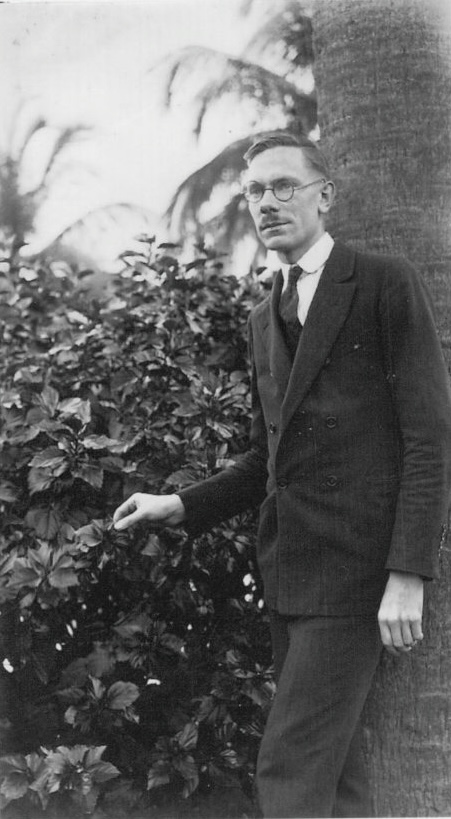
Delray Beach’s historic charm didn’t happen by accident. Many of the buildings that give the city its character today can be traced back to one architect whose work helped shape the community during its early years: Samuel Ogren Sr.. Often referred to as the “Father of Delray Architecture,” Ogren played a central role in designing homes, civic buildings, and commercial spaces that defined the city’s architectural identity in the early 20th century.
Interestingly, my own interest in the Ogren family’s history began while assisting a client purchasing a home in the Lake Ida neighborhood of Delray Beach. During the process, I learned the home had been designed by Samuel Ogren Jr.. That discovery led me down a fascinating path researching both father and son—and their lasting influence on Delray Beach.
Early Life and Arrival in Delray Beach
Samuel Ogren Sr. was born in 1899 in Shanxi, China, where his parents were Swedish missionaries. After surviving the upheaval of the Boxer Rebellion, the family eventually moved to the United States and settled in New York City. There, Ogren developed an interest in architecture and began working as a draftsman.
By the early 1920s, he relocated to South Florida during the state’s land boom. After working under architect William Manly King in West Palm Beach, Ogren passed the Florida architecture exam in 1924 and became Delray Beach’s first registered architect.
Opening his own office in Delray Beach, Ogren quickly became prolific. Between the mid-1920s and 1950, he designed more than 250 homes and buildings, helping transform what was once a small farming community into a thriving coastal town.
Notable Buildings by Samuel Ogren Sr.
Many of Ogren’s designs can still be seen around Delray Beach today. His work reflected several architectural styles popular in Florida during the 1920s–1940s, including Mediterranean Revival, Colonial Revival, and later Streamline Moderne.
Some of his most notable buildings include:
-
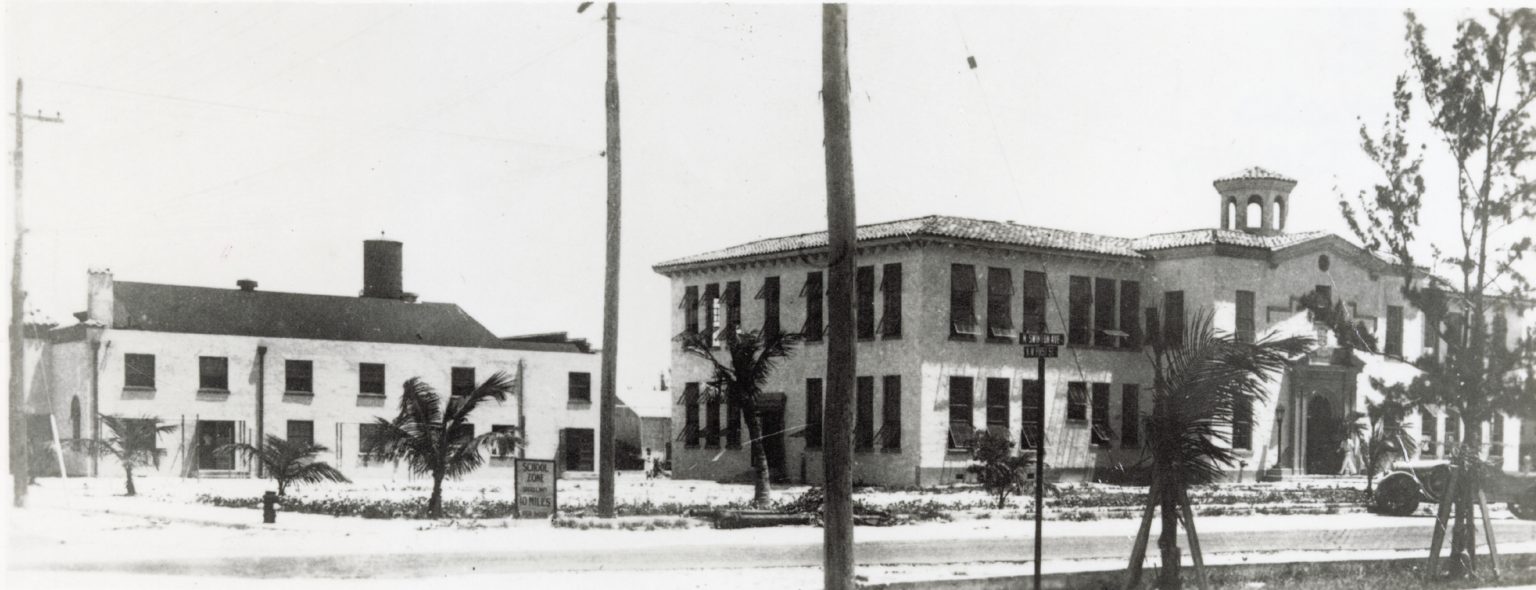
Old School Square – Ogren designed the 1926 Delray High School and gymnasium, which today house the Crest Theatre and the Cornell Art Museum.
-
Sandoway Discovery Center – Originally built in 1936 as a beachfront residence known as the Sandoway House.
-
The Arcade Building on Atlantic Avenue, an early commercial landmark.
-
Adams Chevrolet Building (1949), a prime example of the emerging MiMo (Miami Modern) style.
-
Numerous homes throughout the Marina Historic District and other early Delray neighborhoods.
Through these projects and many others, Ogren helped establish a distinctive architectural style that still defines Delray Beach today.
Continuing the Legacy: Samuel Ogren Jr.
Architecture ran in the family. When Samuel Ogren Sr. retired around 1950, he passed his practice to his son, Samuel Ogren Jr..
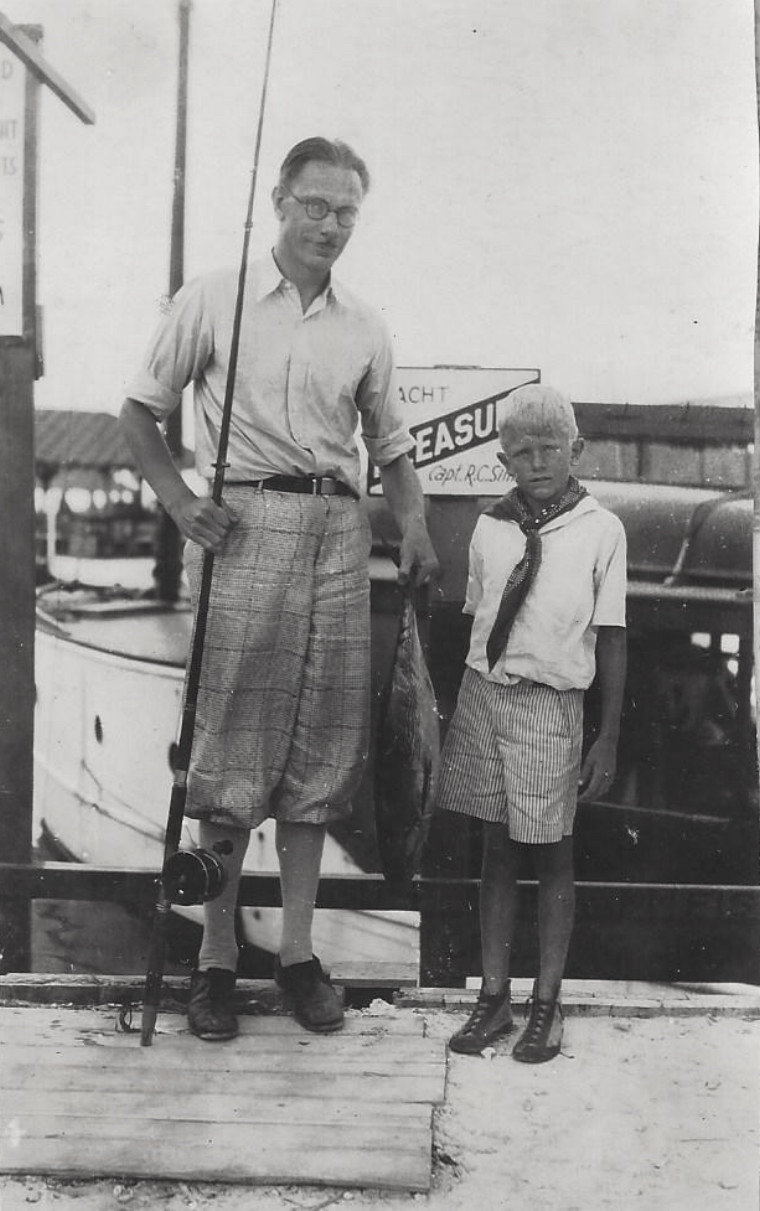
Sam Ogren, Sr. and Sam Ogren, Jr.
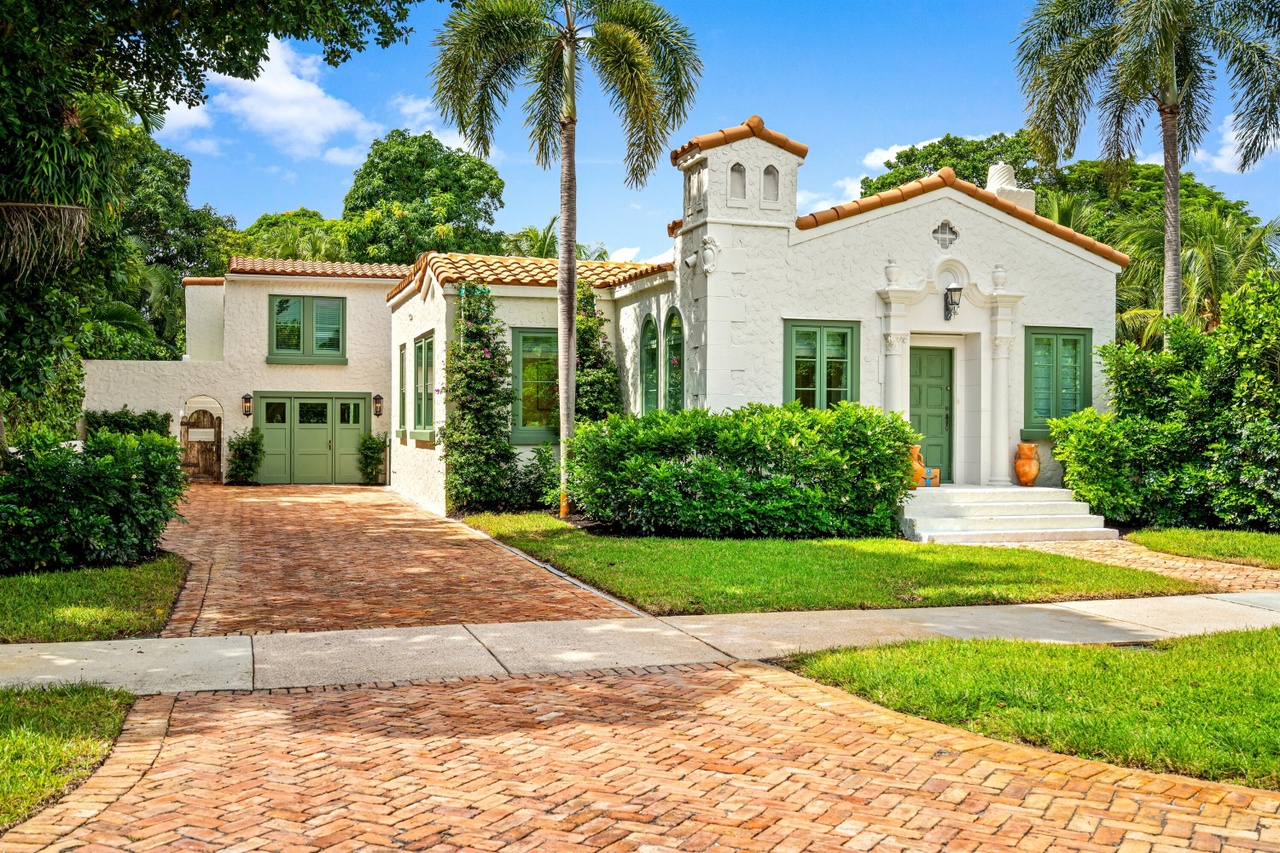
Ogren Jr. continued designing homes and buildings throughout the area, carrying forward his father’s architectural influence during the mid-20th century. His work can be found in several Delray Beach neighborhoods, including homes in Lake Ida and other residential communities that expanded as the city grew after World War II.
While his father helped shape the city during its earliest boom years, Ogren Jr. contributed to Delray’s continued residential development as the community evolved.
Ogren Buildings You Can Still See Today
One of the most exciting aspects of Ogren’s legacy is that many of his buildings are still standing. You can drive through parts of Delray Beach and experience his work firsthand:
-
Old School Square – 51 N Swinton Avenue
Former Delray High School and gymnasium; now the Crest Theatre and Cornell Art Museum.
Delray High School
-
704 N Swinton Avenue
Built in 1928, believed to be Ogren Sr.’s first Delray Beach home, located near Lake Ida.
704 N Swinton Ave, Delray Beach, FL 33444
-
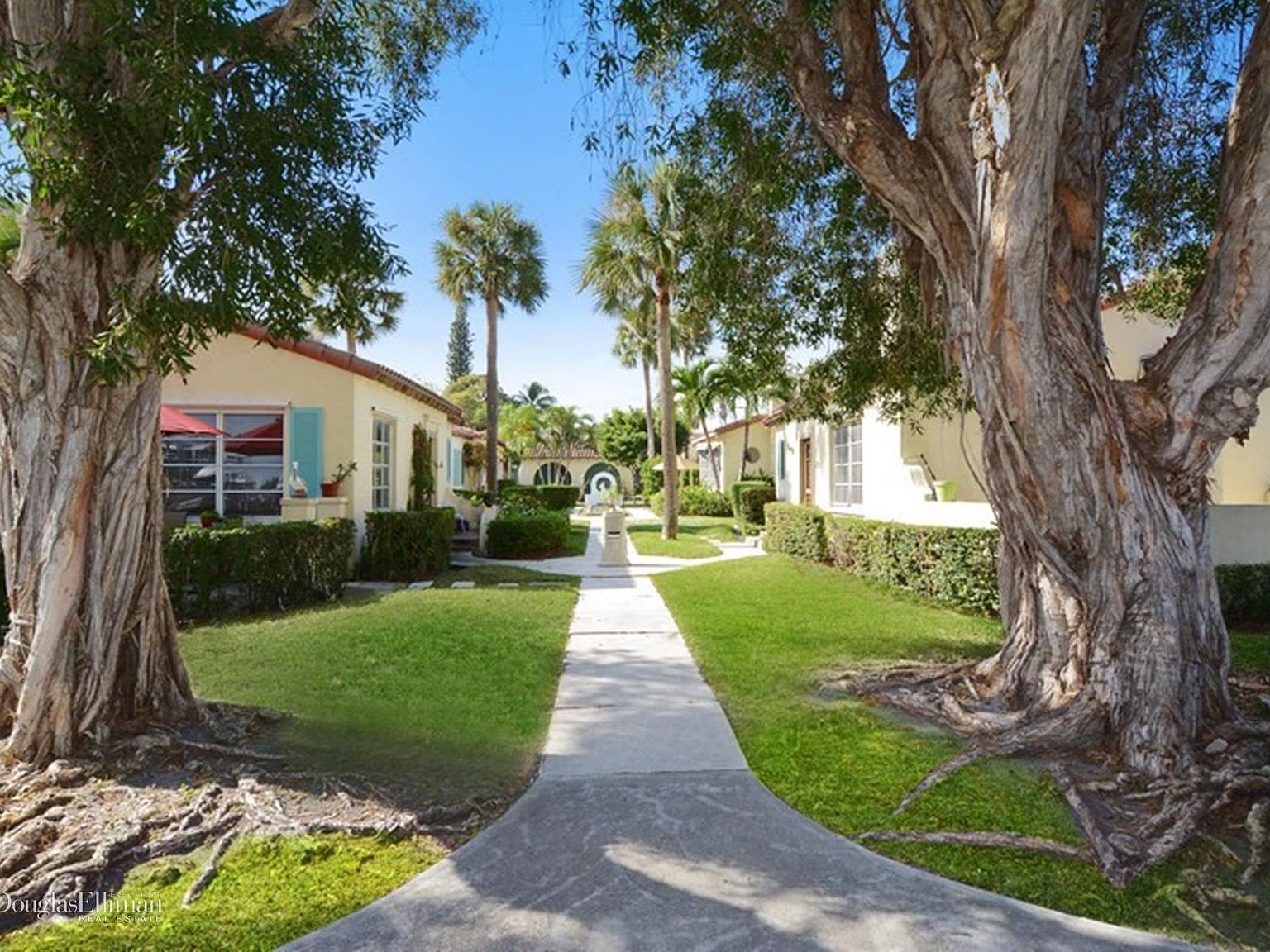
Marina Historic District – Marine Way & 110 Marine Way
Several Mediterranean-style cottages and small villa complexes designed by Ogren.
110 Marine Way, Delray Beach, FL 33483
-
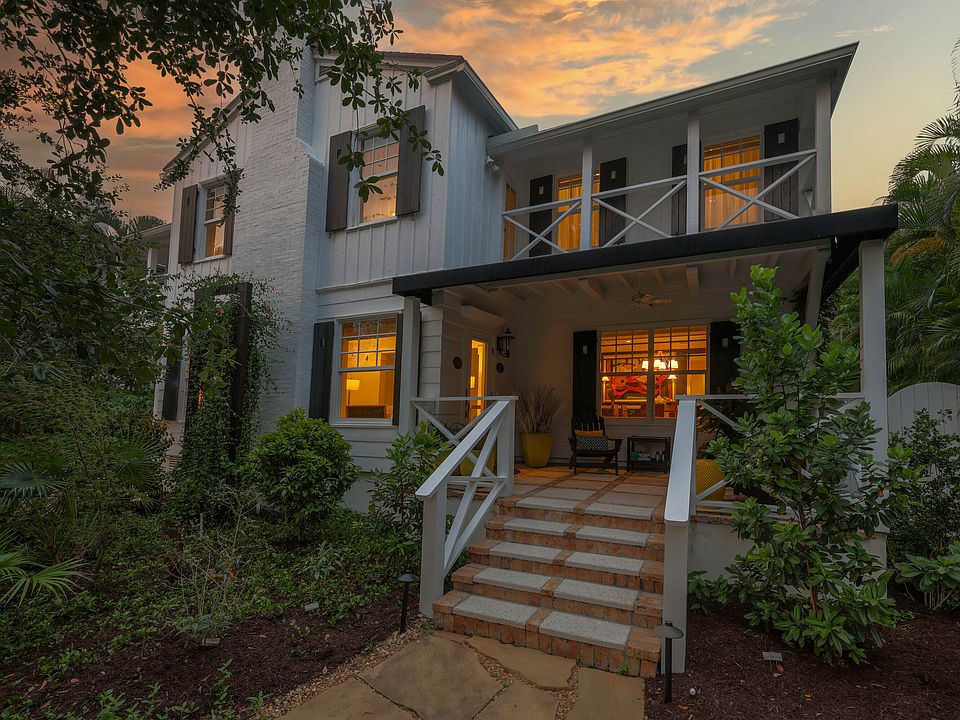
1109 Seaspray Avenue (“Price House”)
Coastal Monterey-style home showcasing Ogren Sr.’s versatility in residential design.
1109 Seaspray Avenue, Delray Beach, FL 33483
-
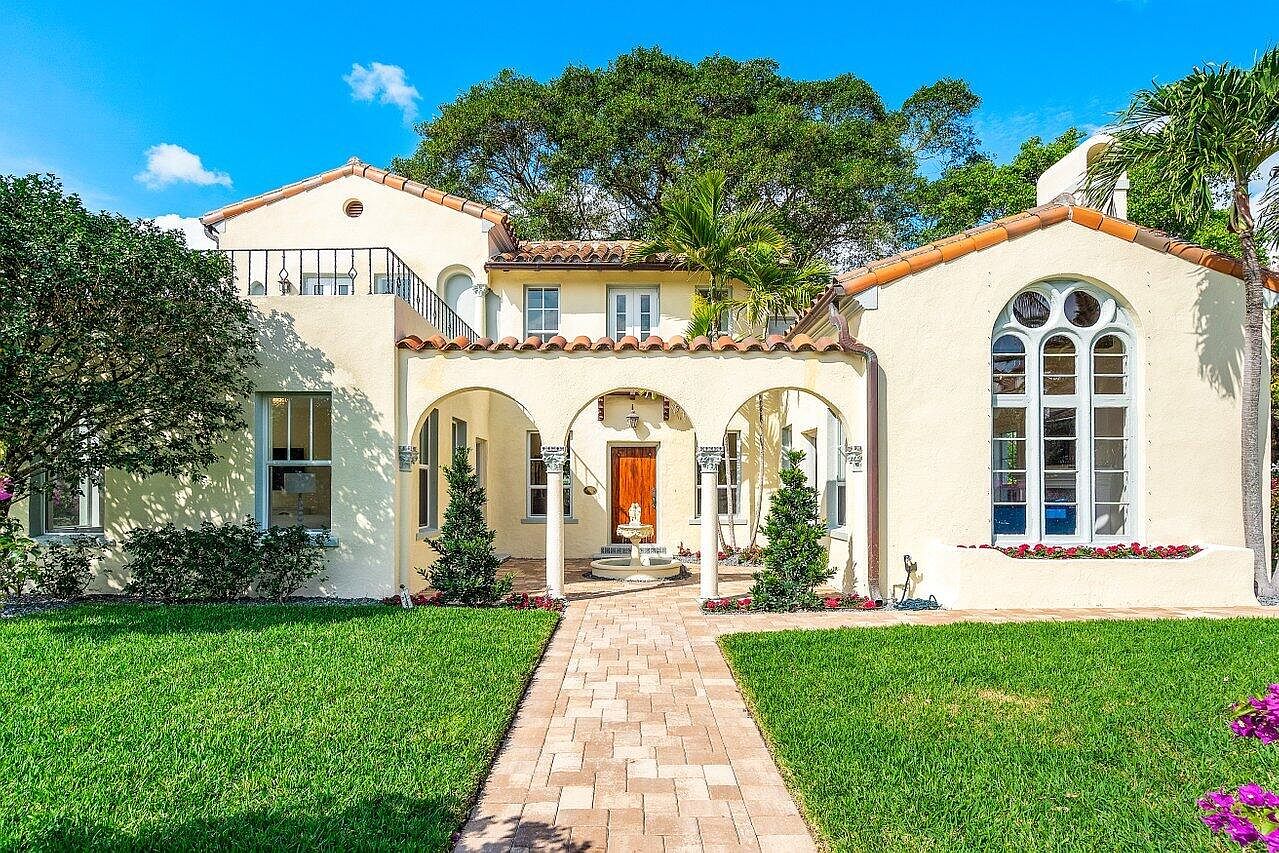
Banker’s Row – NE 1st Avenue
Elegant Mediterranean Revival and Minimal Traditional homes that defined one of Delray Beach’s most historic streets.
248 NE 1st Ave, Delray Beach, FL 33444
-
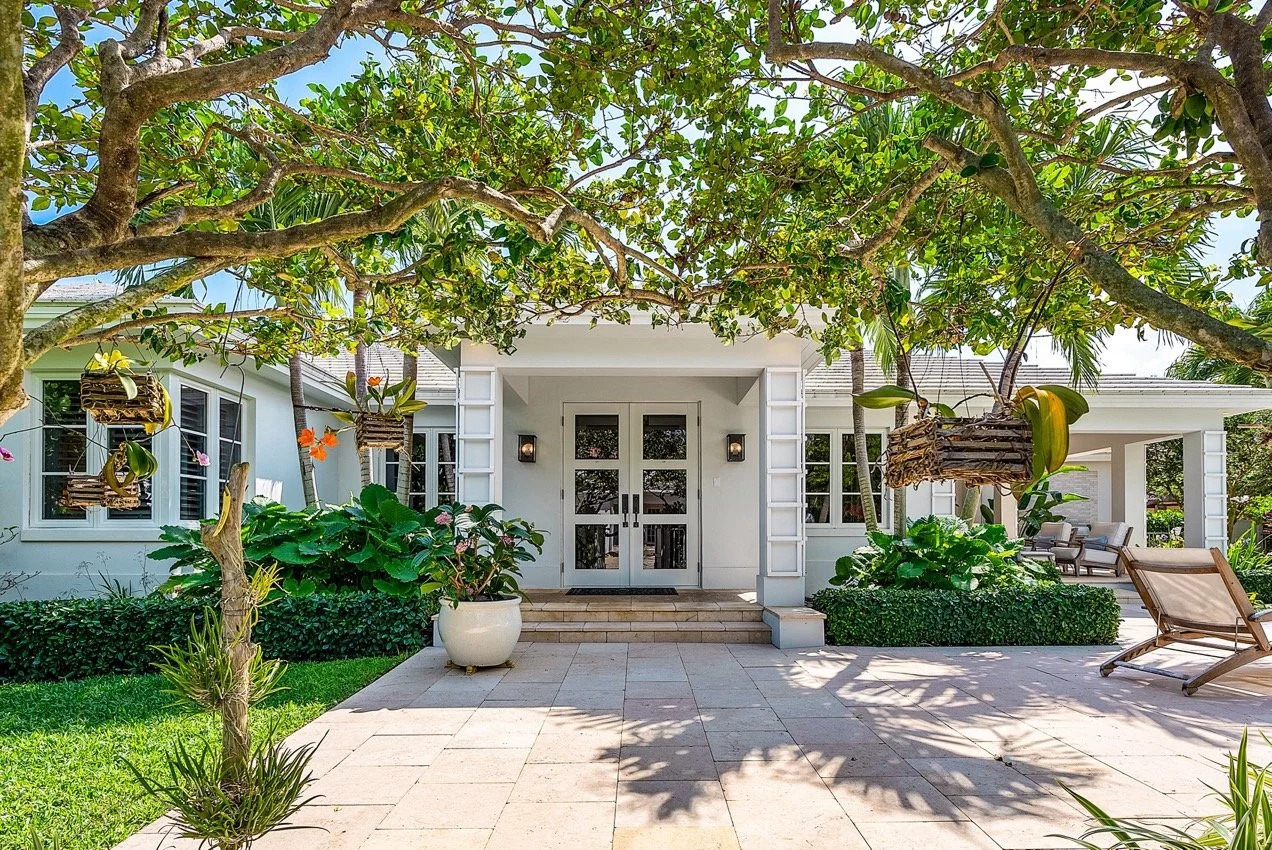
Nassau Park Historic District
Multiple cottages and homes from the 1930s reflecting Ogren’s relaxed, seaside-influenced style.
233 Venetian Drive, Delray Beach, FL 33483
-
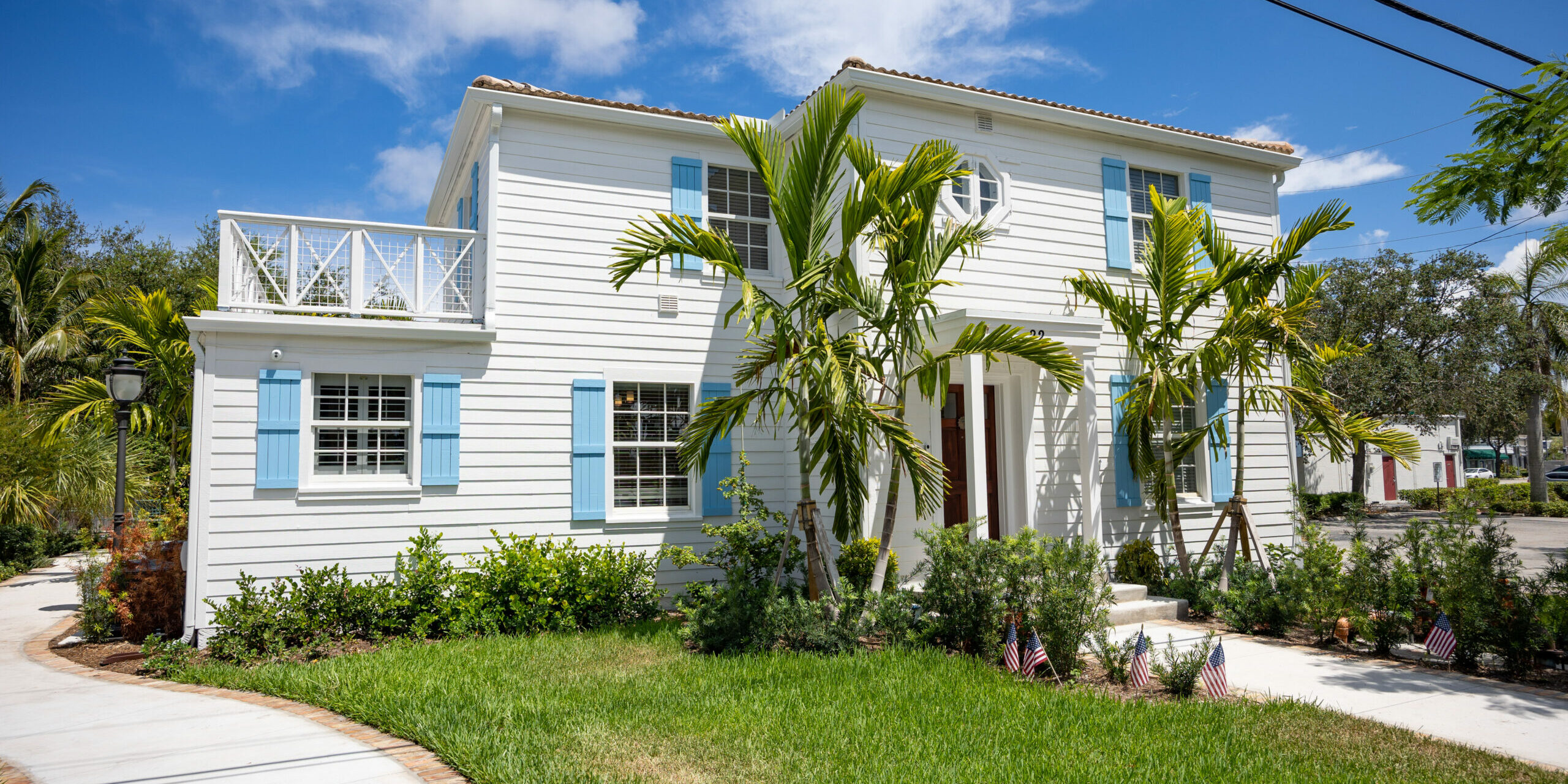
Wellbrock House – 22 N Swinton Avenue
Originally designed by Ogren Jr. and relocated for preservation, representing the family’s architectural evolution.
Wellbrock House
A Living Architectural Legacy
From historic civic buildings to charming residential neighborhoods, the work of Samuel Ogren Sr. and Jr. continues to define the character of Delray Beach. Helping a client purchase a home in Lake Ida turned into a deep appreciation for the Ogrens’ influence—a reminder that real estate often connects directly with local history.
Whether you’re a longtime resident, a history buff, or just love beautiful architecture, a drive through Delray Beach’s historic neighborhoods offers a glimpse into the enduring legacy of the “Father of Delray Architecture” and his son.
