

 Facebook
 X
X
 Pinterest
 Copy Link
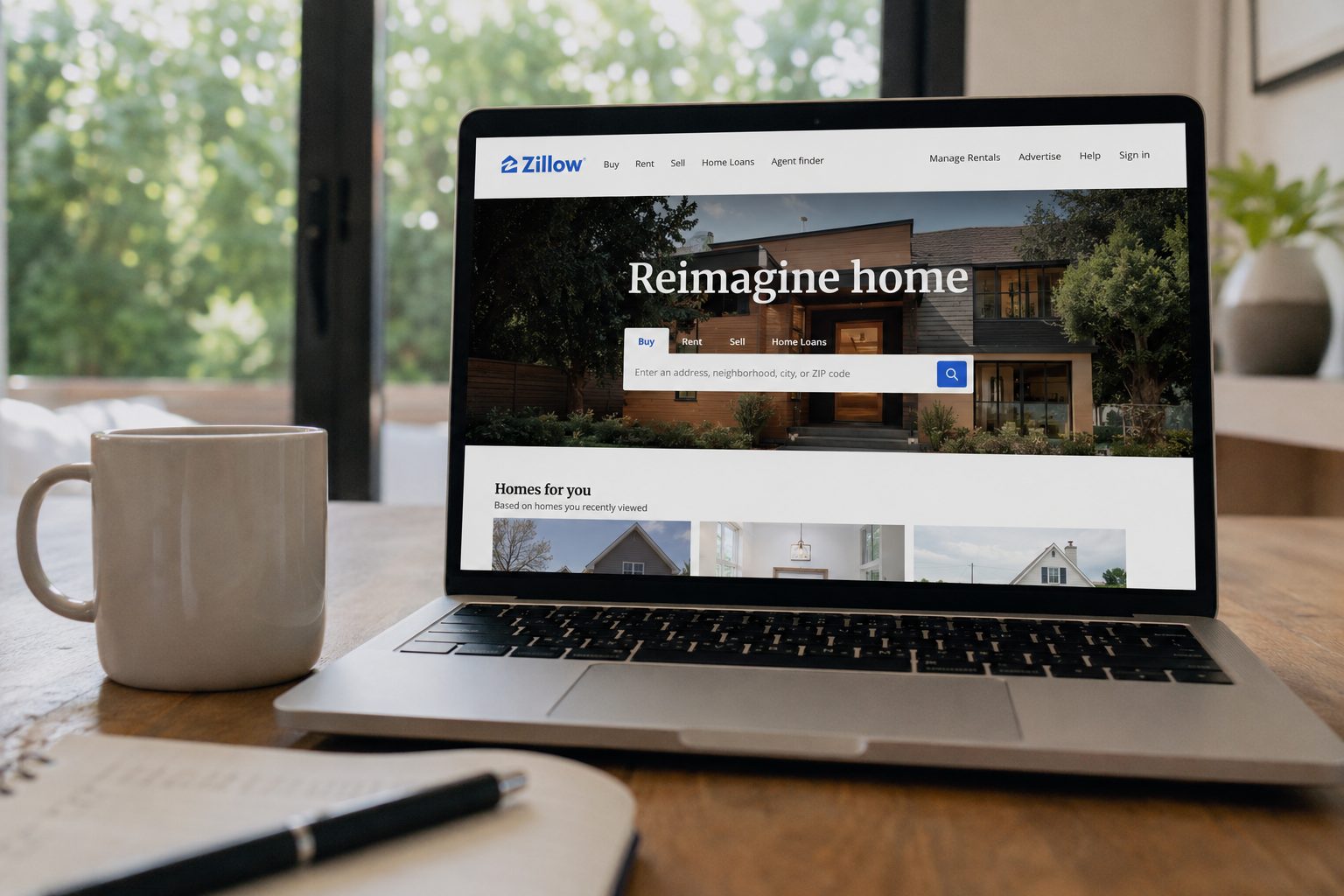
If you’ve seen headlines about Zillow suing MRED, you’re not alone. It’s one of the biggest real estate stories right now, and while it sounds like a dispute between large companies, it could eventually affect the way homes are marketed across the country.
Here’s a simple breakdown of what’s going on.
First, what’s an MLS?
The MLS (Multiple Listing Service) is the database Realtors use to share listings with one another. When a home is listed in the MLS, it’s often sent to websites like Zillow, Realtor.com, and brokerage websites, giving buyers easy access to available homes.
MRED is simply the MLS that serves the greater Chicago area.
So what’s the disagreement?
The debate centers around private listings.
Some sellers prefer not to put their home on every real estate website right away. They may want more privacy, a quieter launch, or to test the market before making the listing public. Compass has been one of the biggest supporters of giving sellers that option.
Zillow believes that once a home is being marketed, it should be available for everyone to see. Their position is that more exposure typically means more buyers, more competition, and potentially better results for the seller.
Neither approach is necessarily right or wrong. They simply represent two different philosophies on how homes should be marketed.
Why did Zillow file a lawsuit?
According to Zillow, MRED told them that if Zillow refused to display certain private listings, it could lose access to all of MRED’s listing data in the Chicago market.
Since Zillow relies on that information to display homes for sale, the company argues that this unfairly pressured them to change their policies. Zillow believes that violates federal antitrust laws.
MRED and Compass disagree. They say sellers should have the freedom to choose how their homes are marketed and that MRED has the right to enforce its own rules.
The courts will ultimately decide who’s right.
Why should buyers and sellers care?
Even if you don’t live anywhere near Chicago, this case could have a much bigger impact.
If private listings become more common, buyers may not see every available home on Zillow or other public websites. Some properties could sell before ever appearing online.
For sellers, the case raises an important question: Is it better to expose your home to as many buyers as possible from day one, or are there situations where a more private marketing strategy makes sense?
The answer depends on the property and the seller’s goals.
My thoughts
One thing I always tell my clients is that there isn’t a strategy that’s best for everyone. Every home and every seller is different.
Some homes benefit from maximum exposure right away. If a seller’s goal is to create as much interest as possible, attract multiple buyers, or potentially receive competing offers, putting the home in front of the largest audience from day one may be the best strategy.
Others may have unique circumstances where a more private approach makes sense. For example, someone going through a divorce, a public figure who values privacy, or a homeowner who simply doesn’t want a constant stream of showings while preparing to move may prefer to quietly market their home to a smaller pool of qualified buyers first.
The important part is understanding the pros and cons before deciding on a marketing plan. There isn’t a one size fits all approach.
Personally, I don’t have anything against Zillow. It has become an incredibly valuable resource for buyers, sellers, and even real estate professionals. At the same time, I’ve felt for a while that Zillow has grown so influential that its policies can have a significant impact on how the industry operates. Whether you agree with Zillow’s position or not, I think it’s healthy for there to be checks and balances so that no single company has too much influence over how real estate is marketed.
I’ll be interested to see how this case plays out because there’s a good chance it could influence how homes are marketed well beyond the Chicago area.
As always, if you’re thinking about buying or selling and have questions about the current market or the best strategy for your home, feel free to reach out. I’m always happy to help.
