

 Facebook
 X
X
 Pinterest
 Copy Link
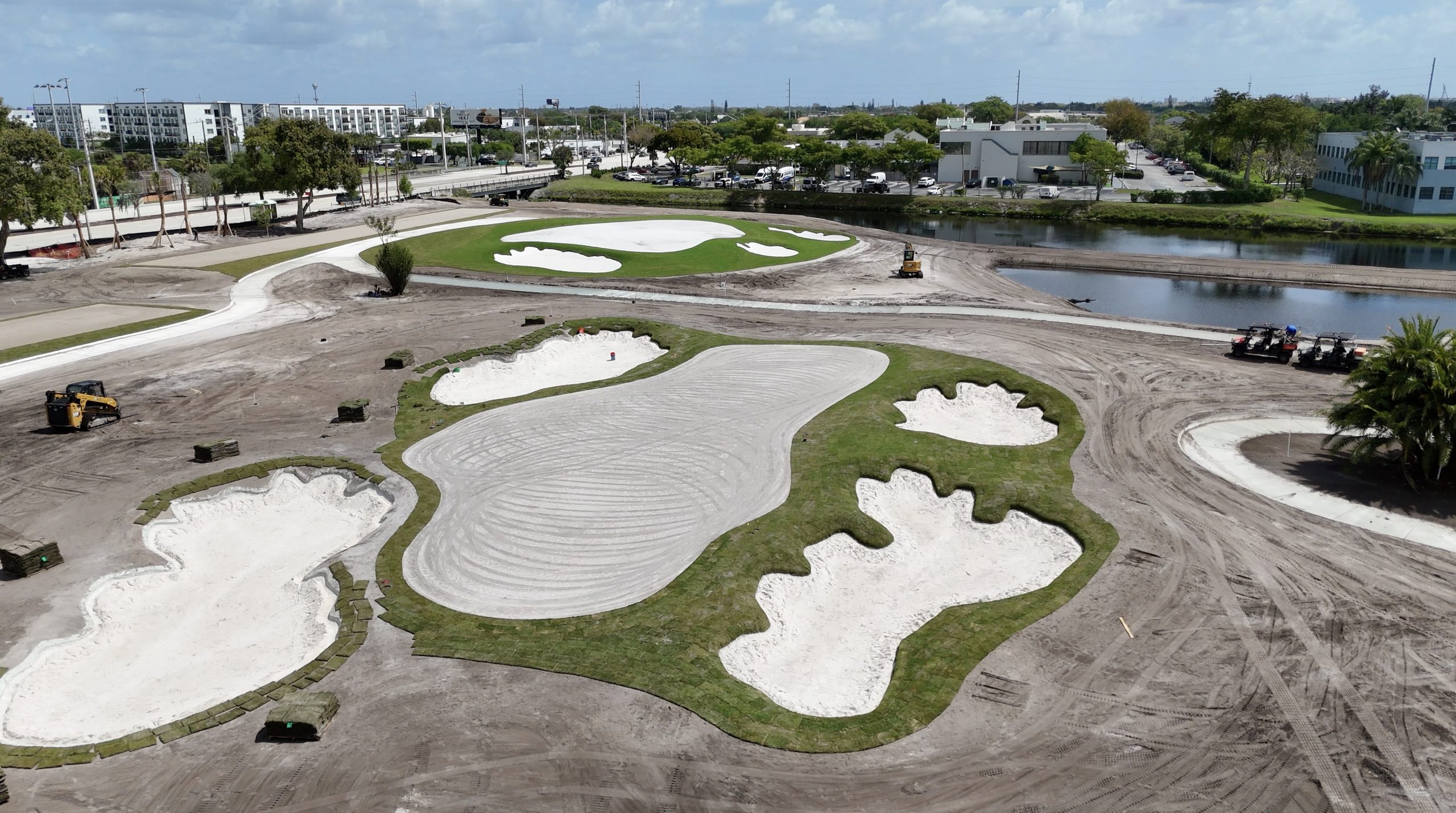
Big changes are coming to one of Delray Beach’s most historic landmarks. The Delray Beach Municipal Golf Course is undergoing a full-scale renovation, and it’s not just a win for golfers — it has meaningful implications for homeowners and real estate values throughout the surrounding communities.
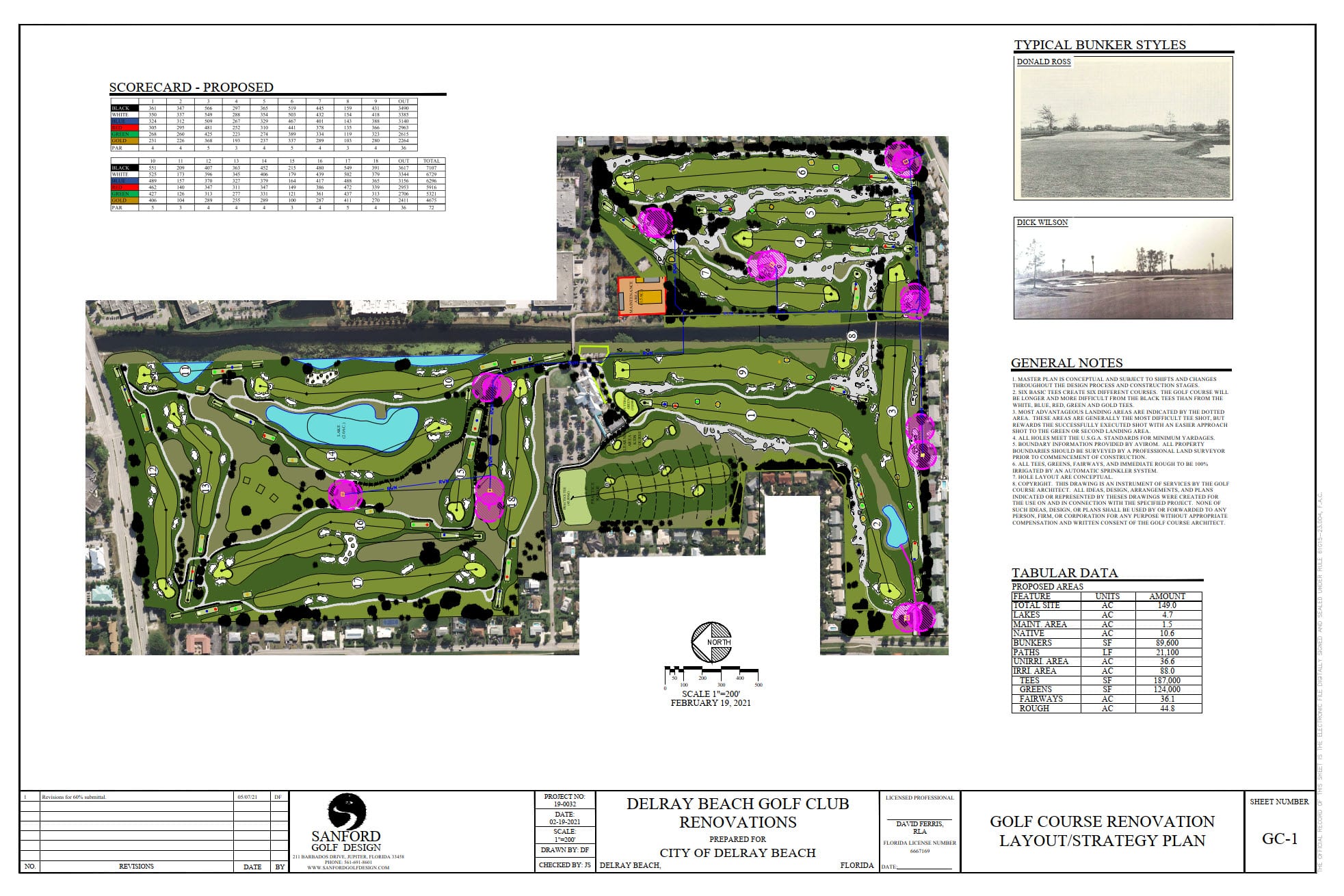
Delray Beach Municipal Golf Course Proposed Scorecard
A Historic Gem with Deep Roots
The Delray Beach Municipal Golf Course dates back to 1926 and was originally designed by legendary architect Donald Ross, with later contributions from Dick Wilson.
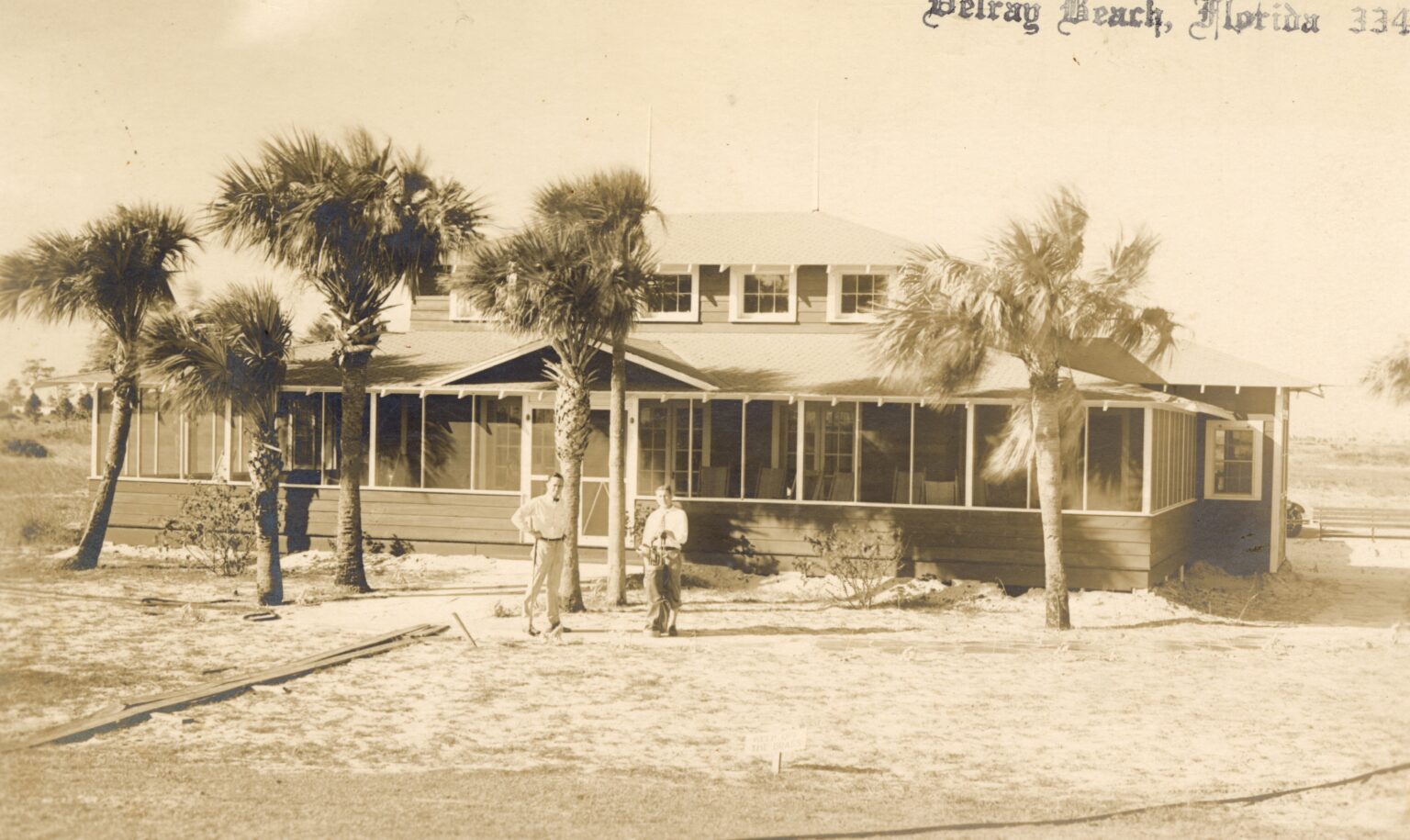
Original Clubhouse at the Delray Beach Municipal Golf Course
At its peak, it was considered one of the premier public courses in the country. Over time, however, the course lost some of its original character and fell behind modern expectations — leading to today’s full-scale restoration.
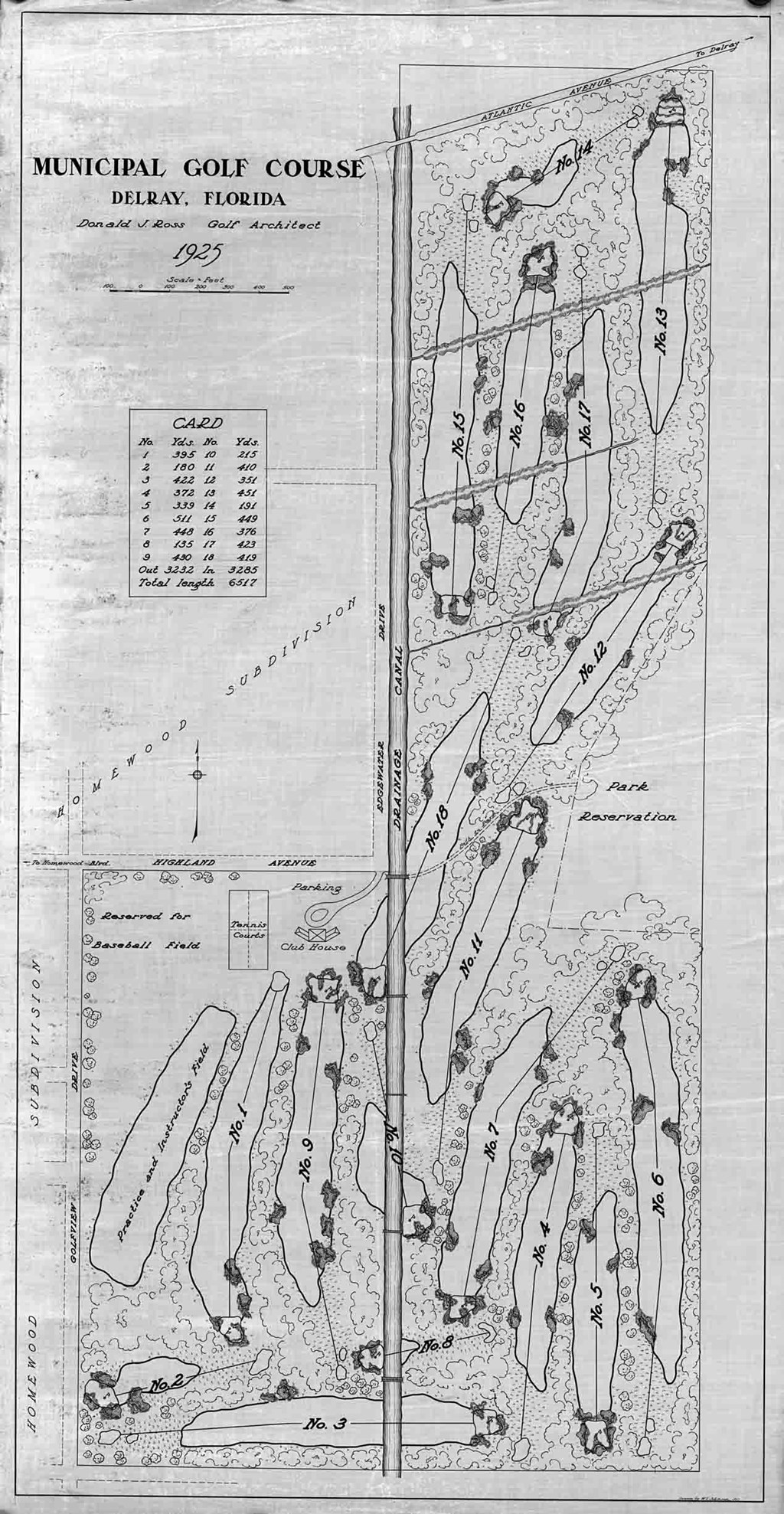
Delray Beach Municipal Golf Course Historic Layout
The Renovation: A Full Reset
This isn’t a cosmetic upgrade — it’s a complete overhaul.
The project includes restoring the original course design, upgrading irrigation and drainage, improving practice facilities, and modernizing the clubhouse. The goal is to bring the course back to a high-end public facility that can compete regionally.
And from a real estate perspective, that level of investment matters.
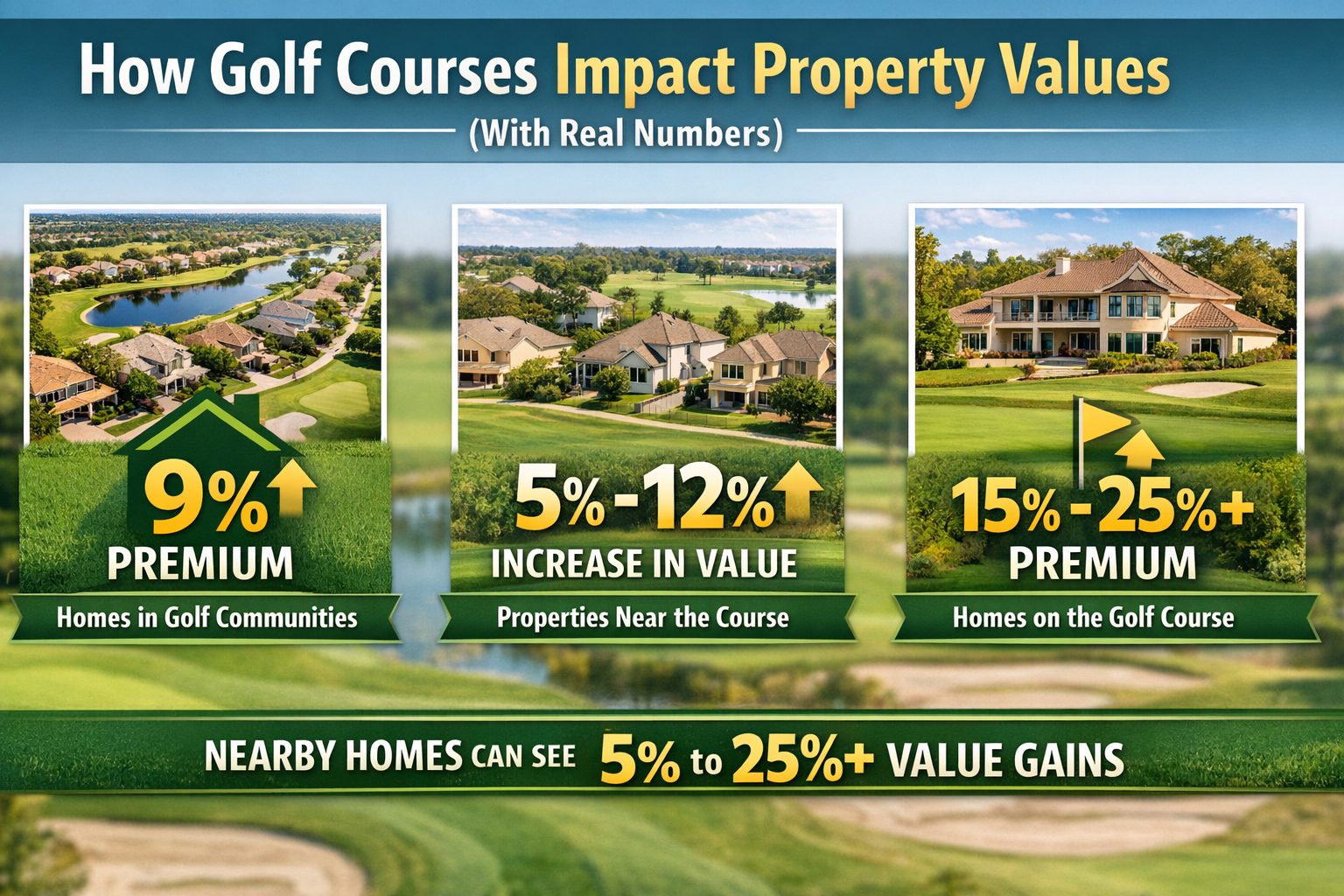
How Golf Courses Impact Property Values (With Real Numbers)
Golf Courses and Property Value Growth
There’s actually a substantial amount of research on how golf courses affect nearby home prices — and the numbers are pretty compelling.
- Homes in golf course communities sell for about a 9% premium compared to similar homes without that amenity
- Properties near a course (but not directly on it) typically see a 5% to 12% increase in value
- Homes with direct golf course frontage or views can command 15% to 25%+ premiums, depending on the quality of the course
And here’s the key point most people miss:
The condition of the course matters just as much as the location.
- When a golf course declines or closes, nearby home values can drop significantly — in some studies, by as much as 17%
That tells us something important:
It’s not just having a golf course — it’s having a well-maintained, desirable one.
What a Renovation Typically Does to Values
While there isn’t a universal “exact percentage” tied specifically to renovations, we can connect the dots from the data:
- If a poorly maintained course suppresses values, restoring it removes that negative pressure
- If high-quality courses command premiums, an upgraded course helps unlock that premium
- Improvements don’t always translate dollar-for-dollar, but they increase desirability and buyer demand
In practical terms, here’s what that usually means in a market like Delray Beach:
- Homes closest to the course (especially with views) benefit the most
- Surrounding neighborhoods see increased buyer interest and stronger pricing
- The area as a whole becomes more attractive to seasonal and second-home buyers
A reasonable expectation — based on national data — is that a successful renovation can help support or create mid-single-digit to low double-digit percentage gains over time, particularly for nearby properties.
Why This Matters for Delray Beach Specifically
Delray Beach already has strong demand driven by lifestyle — beaches, downtown, and overall walkability.
Adding a revitalized golf course enhances that lifestyle even further:
- More green space and improved aesthetics
- A stronger sense of community
- Increased appeal to retirees, second-home buyers, and golf enthusiasts
And importantly, it signals continued investment from the city — something buyers pay close attention to.
The Bottom Line
The renovation of the Delray Beach Municipal Golf Course is more than just a recreational upgrade — it’s a value driver.
Based on national data and market trends:
- Golf course proximity already adds measurable value
- Course quality directly impacts pricing
- Renovations help restore — and often increase — that premium
For homeowners nearby, this is a positive long-term development.
And for buyers, it may represent an opportunity to get in before the full impact is reflected in pricing.
