

 Facebook
 X
X
 Pinterest
 Copy Link
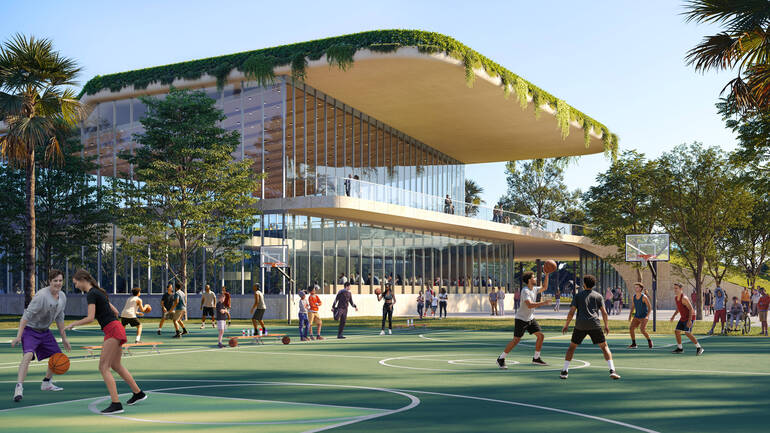
The One Boca redevelopment proposal has become one of the most talked‑about and divisive issues in Boca Raton’s recent civic life. At its core, the plan would transform nearly 8 acres of downtown land — currently occupied by aging government buildings, surface parking, and underused spaces — into a mixed‑use destination with housing, retail, office space, a hotel, parks, and upgraded civic facilities. Voters are scheduled to decide the fate of the project in the March 10, 2026 election.
Why Supporters Say “Yes”
Proponents argue that One Boca is a once‑in‑a‑generation chance to revitalize Boca’s downtown and strengthen the city’s long‑term economic prospects. Supporters — including local business leaders and real estate advocates — say the project will bring new energy, create jobs, and replace outdated city buildings with modern civic facilities like a new City Hall, community center, and police substation. They also point to design revisions that increase green space and pedestrian connectivity near the Brightline station, framing the development as a way to create a vibrant, walkable core for residents and visitors alike.
Why Opponents Say “No”
On the other side, the grassroots group Save Boca and many longtime residents have pushed back strongly. They raise concerns that the project hands over public land for nearly a century under a private lease, increases traffic congestion in an already busy downtown, and could alter the city’s character. Critics also question the ballot language and transparency of the process, arguing that the benefits — especially promises about green space and park improvements — are overstated or misleading. For many in this camp, preserving public ownership of land like Memorial Park and resisting large‑scale development is paramount.
A Broader Civic Conversation
Beyond the details of zoning and architecture, the One Boca debate has tapped into deeper questions about growth, identity, and civic control. It has shaped political campaigns, sparked lawsuits and petition drives, and highlighted a growing divide between advocates for modernization and residents wary of rapid change. As the community heads to the polls, the vote on One Boca will not just determine a development project — it will reflect how Boca Raton residents see their city’s future.
